Zardozi, dabka and resham: hand embroidery explained
When you are quoted for a bridal piece, most of the number is embroidery. Understanding the words makes the quote legible, and makes it much easier to say where you want the money spent.
Zardozi
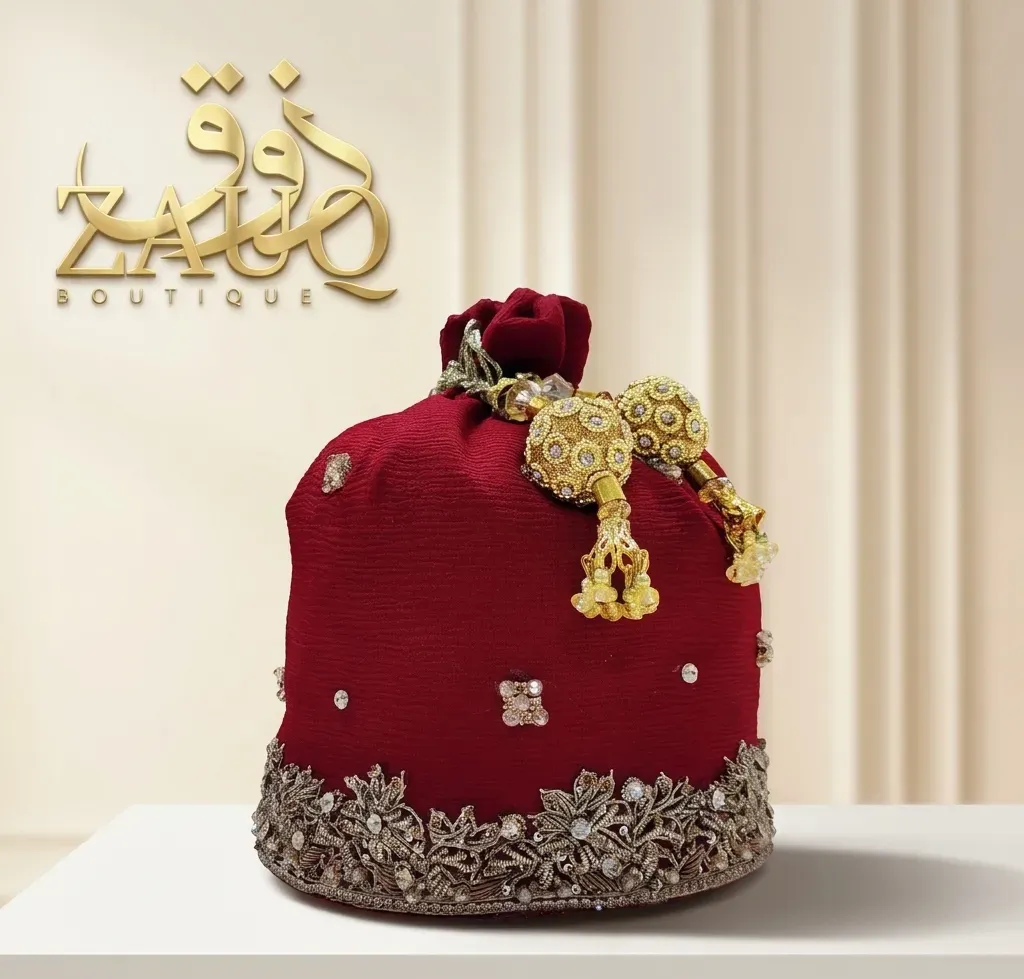
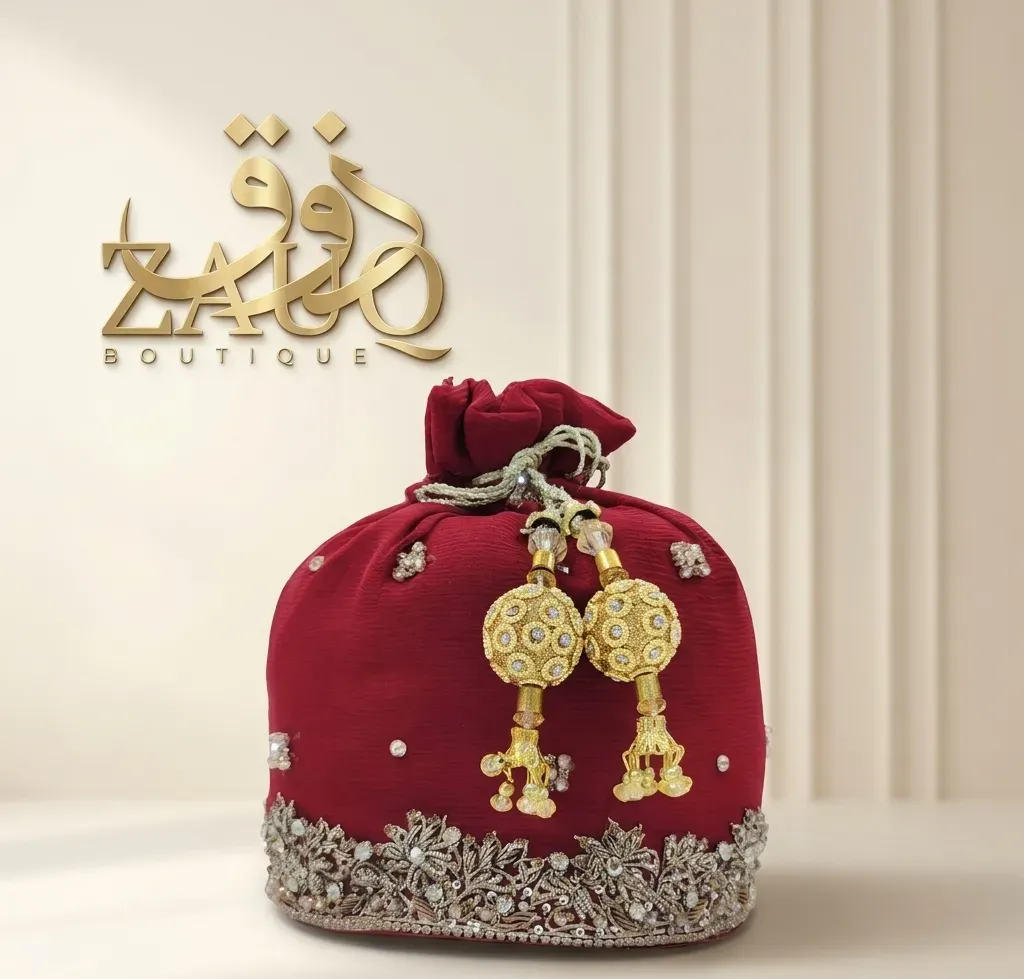
The heavy metallic work, and historically the most prestigious. Zar means gold: the technique originally used fine gold and silver wire couched onto the surface, and today uses metallic thread. Zardozi is raised — it builds relief above the cloth, which is why it catches light from across a room and why a densely worked panel has real weight to it.
Dabka
A tightly coiled metallic wire, cut into short lengths and stitched down like a bead. Dabka gives a springy, dimensional, slightly textured line. It is often worked alongside zardozi — zardozi for the mass of a motif, dabka for the outlines and the fine interior detail that makes the motif read.
Resham
Silk thread, and the counterweight to the metals. Resham lies flat, takes colour properly, and is what you use for florals, vines and anything that needs to look soft rather than struck. A piece worked entirely in metal can feel armoured; resham is usually what stops that happening.
Sitara, sequin and pearl
Small applied elements — flat sequins, star-shaped sitara, and pearls. These scatter light rather than reflect it in a sheet, and they are how you lift a lightly worked piece without adding much weight. Useful when you want presence in photographs but need to actually move.
Density is the real variable
The technique names tell you the texture. Density — how much of the surface is covered — tells you almost everything else:
- Cost. Hand embroidery is person-hours, and density is a direct multiplier on them.
- Time. The same multiplier. This is why a full barat piece is a twelve-week commission and a lighter formal shirt is four.
- Weight. A densely zardozi'd farshi is genuinely heavy to wear for a whole evening.
The useful conversation at a consultation is rarely "which technique". It is "where on this piece should the density go" — a heavily worked bodice and border over a quieter field will usually photograph better, cost less and be easier to wear than the same budget spread evenly.
Everything, by hand
Every thread on every piece we make is laid by hand — zardozi, dabka, resham, sitara and pearl work alike. We do not use machine embroidery at all. It is slower and it is the reason a bridal piece takes the weeks it does, but it is also the whole difference between our work and a rail-bought outfit.
The fabrics and techniques we work with are listed on the collections page.
Zauq Boutique is a couture atelier in Kinari Bazaar, Rang Mahal, Lahore, making bridal and formal wear to measure. Start a custom order or book a video call to see what is in the studio now.